Identification and Dissemination of Technologies and Practices for the Transition to a Circular Economy in Côte d’Ivoire
Published: February 18, 2025
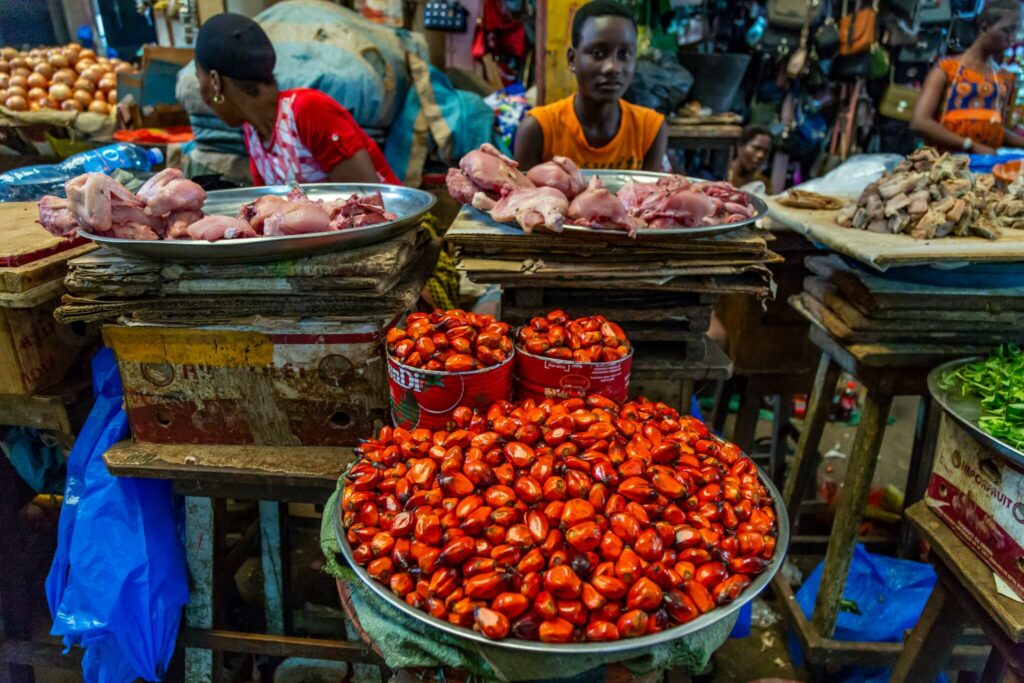
How can Côte d’Ivoire successfully transition to a circular economy?
In collaboration with the Ministry of Environment and Sustainable Development through the Directorate of Green Economy and Responsibility of Organizations, and the CTCN through UNIDO, a study on the identification and dissemination of technologies and practices for the transition to a circular economy in Côte d’Ivoire was developed.
This study;
- analysed the waste sector by focusing on waste management of three waste streams; – plastic, organic waste and electronic waste;
- generated a benchmark of African best practices of circular economy in the waste sector;
- produced a toolbox of best practices in waste management for Cote d’Ivoire;
- designed an action plan.
The action plan contains short, medium and long-term activities, a governance structure, a costing overview and a monitoring and evaluation framework. Stakeholders from civil society, government, private sector, international partners, and the informal sector provided insights and feedback through three workshops to guide and improve the process.
More from Ivory Coast
More from Ivory Coast
 Ivory Coast
Continental Action Plan for Circular Economy in Africa (2024-2034)
Africa unites to design a circular economy roadmap for a sustainable future
Read the story -> Ivory Coast
Black Soldier Fly Opportunities Explored in Africa
Prevent Waste Alliance is driving sustainable waste management in Africa through Black Soldier Fly (BSF) technology in Uganda, Ethiopia, and Ivory Coast. Learn how…
Read the story ->