
Black Soldier Fly Opportunities Explored in Africa
Published: February 3, 2025
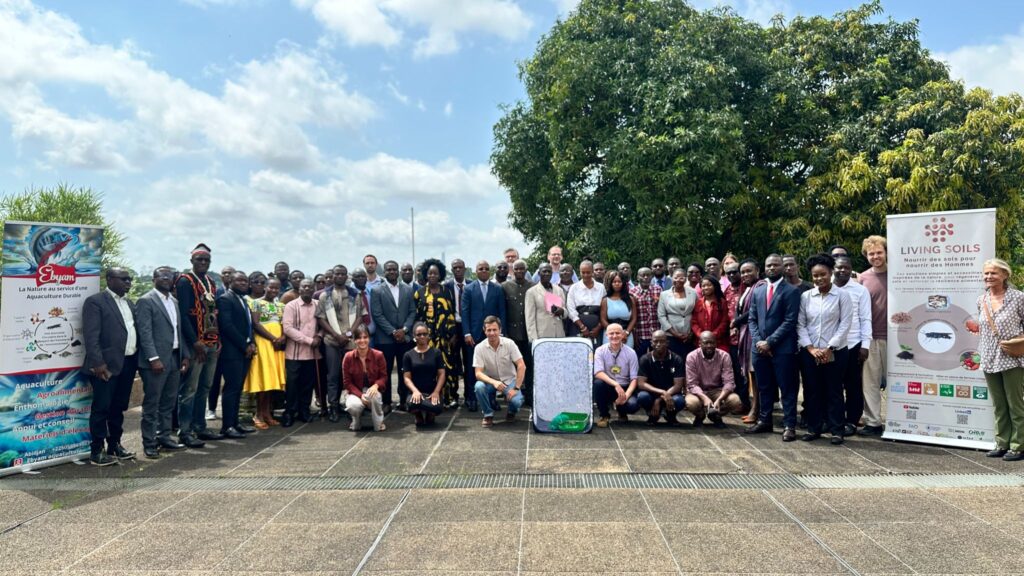
Continuous research has revealed the unique capacity that Black Soldier Fly will offer to advance agriculture in Africa. Regardless of this knowledge, these opportunities remain untapped on the continent. As part of its mission to transform biowaste into valuable resources, Prevent Waste Alliance launched an innovative project to develop Black Soldier Fly (BSF) technology opportunities in Uganda, Ethiopia, and Ivory Coast. Consequently, this project seeks to explore and harness the Black Soldier Fly opportunities in Africa. Therefore, the project named Biomass Utilisation by Insects for Green Solutions (BUGS) in Africa aims to support National Governments and communities in Uganda, Ethiopia and Ivory Coast to apply the Black Soldier Fly waste processing technique to valorise organic waste, reduce greenhouse gas and improve food security. This initiative is implemented by Africa Circular in collaboration with Trinomics, Eclose, and EAWAG, and funded by GIZ and the Climate and Clean Air Coalition (CCAC).
Objectives of Biomass Utilisation by Insects for Green Solutions
The project focuses on:
- Developing a BSF operator guide and a methodology for feasibility assessment, which will be piloted and tested in the target countries
- Capturing and replicating best practices and lessons learned across African nations
- Promoting BSF farming as a sustainable solution for waste management, food security, and livelihood creation
Furthermore, beyond reducing greenhouse gas emissions, the project aims to:
- Empower women and youth
- Address environmental challenges
- Support low-carbon strategies and national climate goals
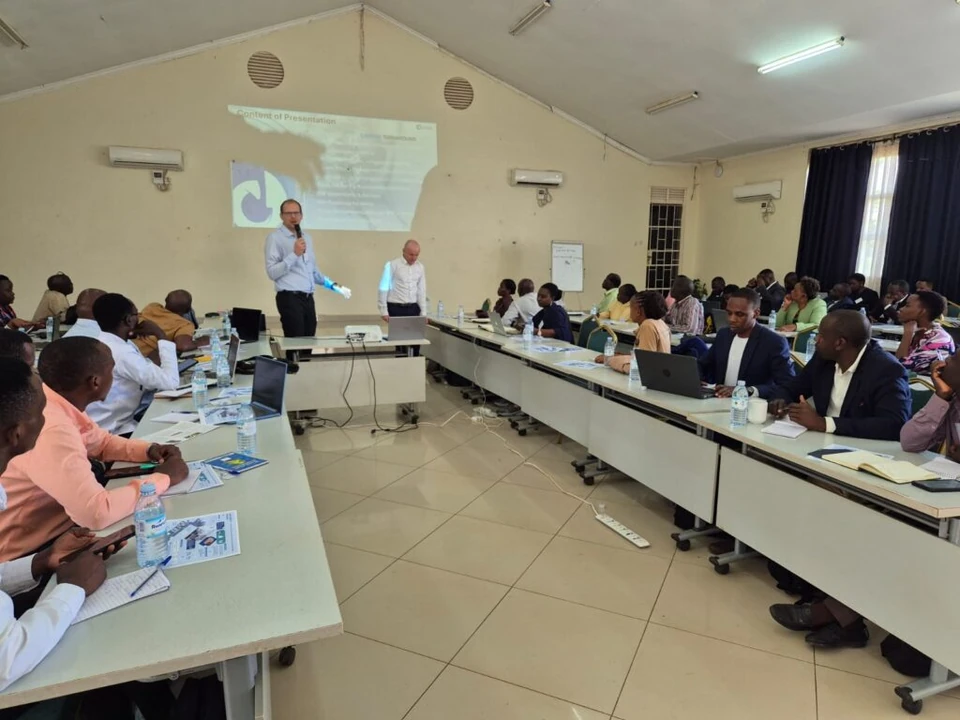
Implementation and Impact of BUGS Project
The multi-year project began in February 2024 and will conclude in 2025. Thus initial kick-off workshops in each country brought together stakeholders to:
- Explore opportunities and enabling ecosystems
- Review policy frameworks and capacity gaps in infrastructure and technical skills
- Align BSF technology with existing composting initiatives
- Analyze waste streams from food processing industries (e.g., breweries, dairy, juice factories).
- Design feasible business models for BSF farming
Why it is Important to Harness the Benefits of Black Soldier Fly
BSF farming offers a circular economy solution by converting organic waste into high-protein animal feed and organic fertiliser, reducing landfill waste and emissions. It supports agriculture, job creation, and climate resilience.
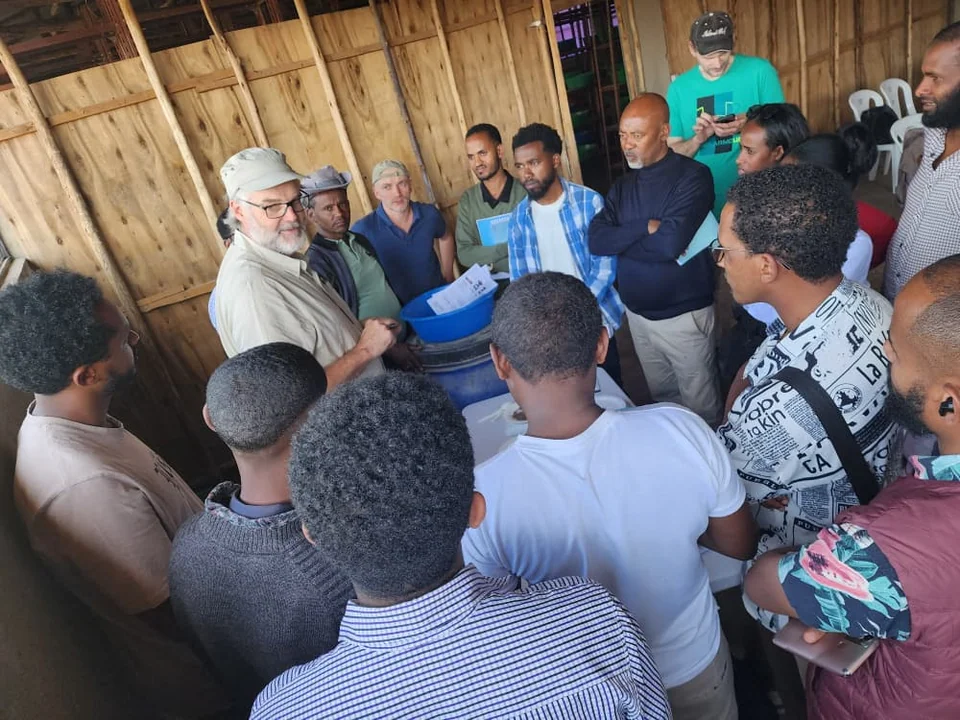
For more details or collaboration inquiries, contact: [email protected]
Find resources for this project below:
More from Ethiopia
More from Ethiopia
 Ethiopia
From Awareness to Implementation: Advancing Circular Economy in Ethiopia
Translating circular economy ambition into implementation requires more than visibility — it depends on how institutions, entrepreneurs, and partners align around practical action. In…
Read the story -> Ethiopia
Continental Action Plan for Circular Economy in Africa (2024-2034)
Africa unites to design a circular economy roadmap for a sustainable future
Read the story ->