Trade Processes for Waste and Recyclables
Published: February 18, 2025
ACEN Foundation collaborated with Trinomics in a project funded by Deutsche Gesellschaft für Internationale Zusammenarbeit (GIZ) GmbH to conduct an investigation into the trade processes for waste and recyclables, one of the challenging waste streams in Africa. The project focused on Ghana and Tunisia, two countries that garnered enough interest due to the high quantity […]
- Countries
- South Africa
Follow paused because you scrolled.
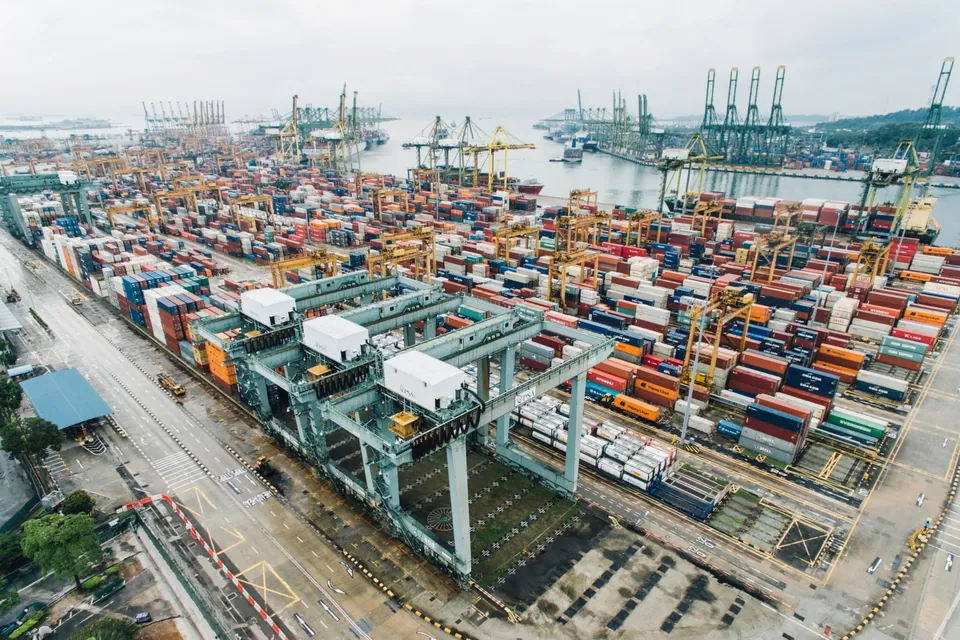
ACEN Foundation collaborated with Trinomics in a project funded by Deutsche Gesellschaft für Internationale Zusammenarbeit (GIZ) GmbH to conduct an investigation into the trade processes for waste and recyclables, one of the challenging waste streams in Africa. The project focused on Ghana and Tunisia, two countries that garnered enough interest due to the high quantity of plastic waste they import.
The project conducted a thorough investigation by:
- deeply exploring the trade and plastic waste shipment in Tunisia and Ghana;
- investigating illegal plastic waste shipping to Africa;
- exploring capacity-building measures in focus countries.
Read the report here.
The bigger picture
This capacity-needs assessment on trade processes for waste and recyclables was carried out by Trinomics with the African Circular Economy Network (ACEN Foundation), with the executive summary authored by GIZ. It set out the context for waste management and waste trade in Africa, the international policy framework — including the role of customs — and two country cases, finding that countries such as Ghana and Tunisia are at high risk of being targeted for the dumping of hazardous waste. Reforms to HS customs codes, rising political attention and the review of the EU Waste Shipment Regulation all offer entry points for the capacity building needed to deter such trade.
References & further reading
- PREVENT Waste Alliance — Trade processes for waste and recyclables: a capacity needs assessment.
- OECD — Monitoring trade in plastic waste and scrap.
- MDPI (IJERPH) — Circular Economy and the Changing Geography of International Trade in Plastic Waste.
More from South Africa
More from South Africa
 South Africa
Continental Action Plan for Circular Economy in Africa (2024-2034)
Africa unites to design a circular economy roadmap for a sustainable future
Read the story ->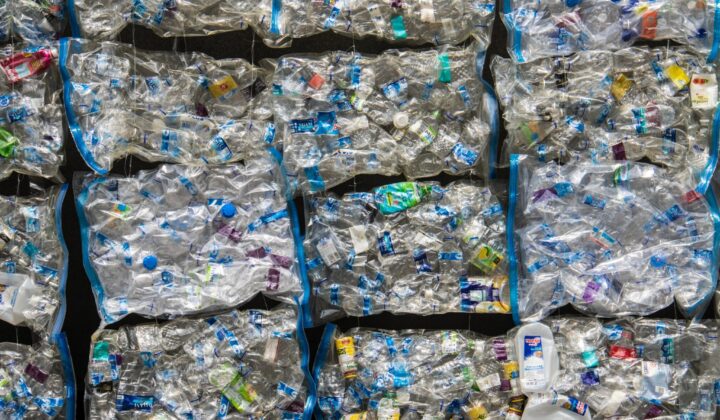 South Africa
Market Study for South Africa: Circularity in the Plastics Value Chain – Opportunities and Barriers
How can South Africa successfully transition to a circular economy for plastics? With a large mining sector which includes coal — a major feedstock…
Read the story -> South Africa
Technical Assistance for the Development of an STI Led Cross-Sectoral Circular Economy Roadmap for Abating GHG Emissions in South Africa
South Africa still operates in a linear economy, with the biggest and still growing resource-heavy industries of mining, agriculture, human settlements, manufacturing, and transport…
Read the story ->