Opportunities for the Circular Use of Agricultural Residues in Benin
Published: February 18, 2025
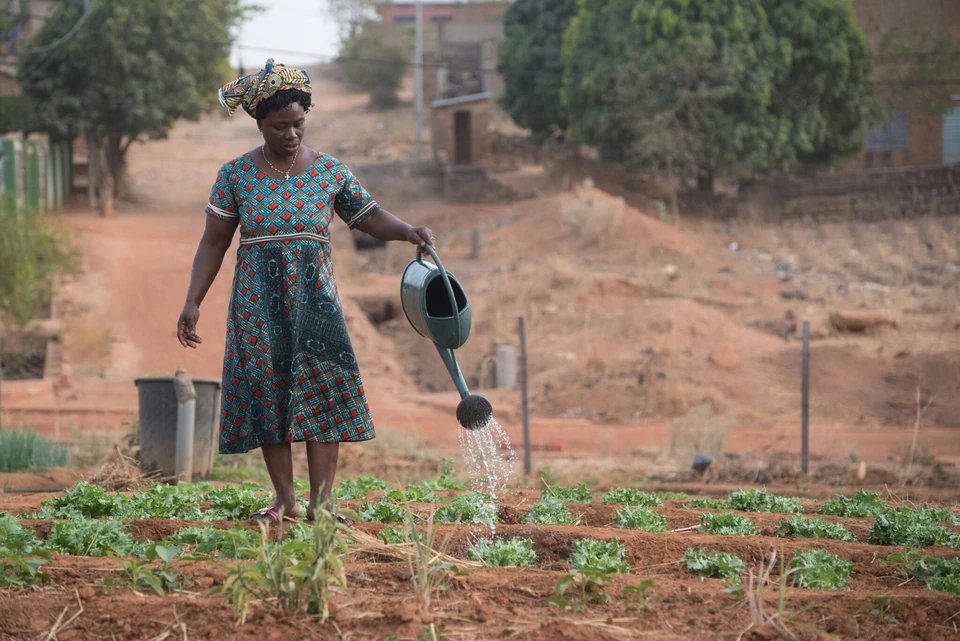
A study funded by NL – Enterprise Agency (RVO) focused on understanding the potential availability of agricultural residues in certain regions in Benin. The aim of the study was to unearth circular economy opportunities that could bring value to the region and the people.
This assessment combined data from desk research and crop and animal production waste estimates. Additionally, a database of potential Dutch technology providers was developed. Members of the database were contacted to assess their desire to participate in developing projects using these residues in the future.
In the end, five of the most suitable circular project opportunities were selected to be tested for financial feasibility; this was to illustrate the potential application and projected return on investment. The results of this analysis revealed the clear potential of these applications for the region with recommendations to follow some of these through to implementation.
Read the report here.
More from Benin
More from Benin
 Benin
Benin
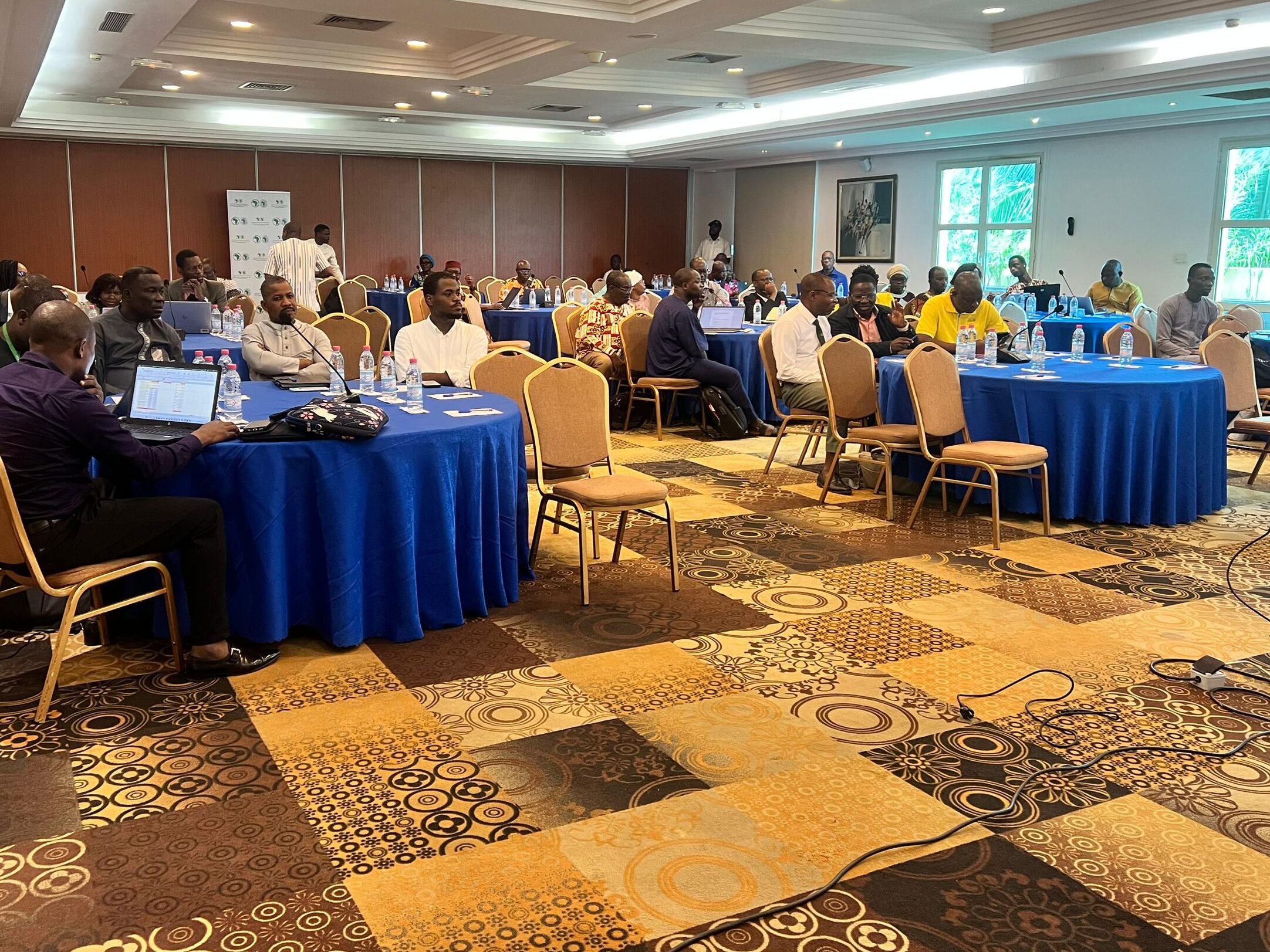
Advancing Circular Economy in Benin: From Strategy Development to Implementation Readiness
Benin unveils its 2025–2035 Circular Economy Action Plan, driving sustainable growth, green jobs, waste reduction, and climate resilience.
Read the story -> Benin
Benin
Continental Action Plan for Circular Economy in Africa (2024-2034)
Africa unites to design a circular economy roadmap for a sustainable future
Read the story ->